

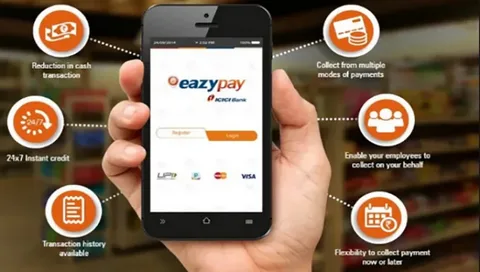
Cash is quietly disappearing from our pockets. Mobile payment apps — also known as digital wallet apps, e-wallet services, and contactless payment apps — have become the default way millions of people manage secure mobile transactions, from morning coffee to cross-border money transfers. Between 2020 and 2025, global adoption of cashless payment solutions nearly doubled, and in 2026, there is no sign of that trend slowing.
Whether you are using NFC payment apps to tap your phone at a checkout, relying on peer-to-peer payment apps to split a bill, or searching for the best payment apps 2026 has to offer for online shopping, this comprehensive guide covers everything you need to know. Mobile payment apps are revolutionizing the way we handle transactions, providing a convenient and secure alternative to cash.
What Are Mobile Payment Apps?
Mobile payment apps — encompassing everything from online payment apps and instant payment apps to mobile banking apps and QR code payment apps — are software tools that store your payment credentials securely on your smartphone. They allow you to make purchases in physical stores, complete online transactions, or transfer money directly to other people, all without a physical card.
With mobile payment apps, users can enjoy fast and efficient transactions without the need for physical cash.
Mobile payment apps have gained immense popularity, especially among younger users who value convenience.
The appeal is straightforward: speed, convenience, and stronger security than a traditional wallet. Over 53% of consumers in developed markets now prefer cashless payment solutions over physical cards for everyday spending. What started as niche fintech mobile apps has become mainstream financial infrastructure used by billions of people globally.
When choosing the right e-wallet service, the four key factors to evaluate are: device compatibility, accepted locations (in-store NFC, online transactions, international), peer-to-peer transfer support, and applicable fees.
The best mobile payment apps are versatile and cater to various financial needs.
Among the leading mobile payment apps, Apple Pay stands out for its ease of use and security features.
Many mobile payment apps offer a seamless experience for users making purchases on the go.
The Best Mobile Payment Apps in 2026
The fintech mobile apps market in 2026 is dominated by six major platforms — Apple Pay, Google Pay (Google Wallet), PayPal, Venmo, Cash App, and Samsung Pay (Samsung Wallet) — each with a distinct strength. Other notable names in the broader landscape include Zelle for direct bank transfers, Stripe and Square for merchant and payment gateway apps, Alipay for Asian markets, and emerging cryptocurrency payment apps. Below is a full breakdown of the top six, followed by a side-by-side comparison table.
Apple Pay — Best NFC Payment App for iPhone Users
Apple Pay is the leading NFC payment app for iPhone, Apple Watch, iPad, and Mac users. It works by linking your debit or credit cards to your Apple Wallet digital wallet, then authenticating payments with Face ID or Touch ID. Because it uses tokenisation — replacing your real card number with a unique device-specific code — your actual card details are never shared with the merchant, ensuring fully secure mobile transactions.
Accepted at millions of locations worldwide, Apple Pay works for in-store contactless payments, in-app purchases, and web checkouts through Safari. Apple does not track your transaction history or sell your data to advertisers — a meaningful privacy advantage over most competitors in the e-wallet services space.
- Supported devices: iPhone 6 and later, Apple Watch Series 1+, iPad, Mac with Touch ID / Face ID
- Security: Tokenisation + biometric authentication + zero transaction data retained by Apple
- Availability: 70+ countries worldwide
For Android users, Google Pay is one of the top mobile payment apps, providing a comprehensive digital wallet.
Google Pay / Google Wallet — Best Online Payment App for Android
Google Pay — now branded as Google Wallet — is Android’s native online payment app and tap-to-pay solution. Beyond secure mobile transactions, it stores boarding passes, event tickets, loyalty cards, and vaccination records alongside your payment methods, making it a true all-in-one digital wallet app.
One important limitation: availability varies by country and bank. Not every card issuer supports Google Wallet, so check compatibility before making it your primary instant payment app. For users embedded in Google’s ecosystem, it is a seamless daily solution.
- Supported devices: Most Android phones running Android 5.0 or later
- Extras: Digital documents, transit passes, boarding passes, loyalty cards
- Availability: 40+ countries, with growing coverage
Cash App — Best Fintech Mobile App for Transfers and Investing
Cash App, developed by Block (formerly Square — the company also behind Square payment gateway apps), goes well beyond peer-to-peer payment apps. It functions as a mobile banking app substitute with its own Visa debit card, a stock trading platform, and a cryptocurrency payment app for Bitcoin — all in a single interface.
Cash App is another exceptional example of mobile payment apps, which also focuses on investment opportunities.
You can send mobile money transfers instantly to other users, receive direct deposits, and withdraw cash at ATMs. The investing features make it popular among younger users who want basic stock and crypto exposure without opening a separate brokerage. Standard transfers are free; instant withdrawals carry a small fee.
- Supported devices: iOS and Android (United States and United Kingdom)
- Extras: Fractional stock investing, Bitcoin wallet, Cash Card (Visa debit), direct deposit
- Instant withdrawal fee: approximately 1.5%
PayPal — Best Cross-Border Payment App for Online Shopping
PayPal remains the most widely accepted online transaction app for shopping, supported by millions of merchants across more than 200 countries. Its buyer protection policy — covering you if an item does not arrive or does not match its description — adds a safety net that few competitors in the cross-border payment apps space can match.
It works across iOS, Android, desktop browsers, and smartwatches, making it the most versatile bill payment app and cross-platform solution available. Currency conversion fees can add up on international purchases, but for online-first shoppers, PayPal’s global reach is unrivalled.
PayPal is one of the most recognized mobile payment apps for online shopping globally.
- Supported devices: iOS, Android, desktop browsers, smartwatches
- Extras: Buyer protection, Xoom international transfers, 200+ countries supported
- Best use: Cross-border online shopping and marketplace transactions
Venmo — Best Peer-to-Peer Payment App for Splitting Bills
Venmo, owned by PayPal, is built entirely around peer-to-peer payment app functionality. It is the app people use to split restaurant bills, pay back a friend for concert tickets, or chip in on a group gift — with instant payment app speed and social feed notifications.
By default, your transactions (minus exact amounts) are visible to your connections. Switching to private mode is strongly recommended. Venmo is currently available to US residents only.
- Supported devices: iOS and Android — United States only
- Extras: Social payment feed, Venmo debit card, business payment support
- Privacy tip: Set the account to private to hide transaction activity from your network
Samsung Pay / Samsung Wallet — Best NFC Payment App for Samsung Devices
Samsung Pay — now Samsung Wallet — combines NFC payment app functionality with digital ID storage, loyalty cards, boarding passes, and hotel keys. It works just like Apple Pay and Google Pay at contactless terminals — tap your Samsung phone or Galaxy Watch, authenticate with your fingerprint or PIN, and the secure mobile transaction completes instantly.
The loyalty card integration is a standout feature. Rather than managing a physical collection of rewards cards, Samsung Wallet consolidates them into one accessible digital wallet app.
- Supported devices: Samsung Galaxy phones and Galaxy Watch
- Extras: Digital IDs, hotel room keys, boarding passes, loyalty programme cards
- Availability: Select countries; check Samsung’s website for regional support
Venmo simplifies transactions, making it one of the most popular mobile payment apps for social payments among peers.
Mobile Payment Apps — Side-by-Side Comparison
| App | Best For | Platform | In-Store NFC | Int’l Transfers | Fee (Credit) |
| Apple Pay | iPhone users | iOS / macOS | ✓ | Limited | None |
| Google Wallet | Android users | Android | ✓ | Limited | None |
| PayPal | Online shopping | iOS / Android | ✓ | ✓ (130+) | 2.9% |
| Venmo | Splitting bills | iOS / Android | ✓ | ✗ US only | 3% |
| Cash App | Investing + transfers | iOS / Android | ✓ | Limited | 3% |
| Samsung Wallet | Samsung devices | Android (Samsung) | ✓ | Limited | None |
* NFC availability depends on device model and regional support. International transfer capability refers to cross-border person-to-person or merchant payments beyond the home country.
See More: Seekde: Smart AI Search Engine for Fast, Accurate Results
How Contactless Payment Apps and Digital Wallets Work
NFC Payment Apps and Tap-to-Pay Technology
Samsung Wallet integrates various features, making it one of the top mobile payment apps for Samsung device users.
The technology powering NFC payment apps is Near Field Communication — your phone emits a short-range radio signal that communicates with a compatible payment terminal when held within a few centimetres. Transactions complete in under two seconds, faster than inserting a chip card or entering a PIN, making it the cornerstone of all cashless payment solutions today.
NFC payments are now accepted at most major retailers, supermarkets, pharmacies, and public transport networks worldwide. Look for the contactless symbol — four curved lines — on payment terminals to confirm compatibility.
Online Transaction Apps and In-App Payments
Most online payment apps and e-wallet services integrate with browsers and shopping apps to streamline checkout. Rather than typing your card number, expiry date, and CVV each time, you authenticate with a fingerprint or face scan, and the secure mobile transaction completes automatically. Some platforms extend this to smartwatches, allowing you to approve purchases directly from your wrist.
Peer-to-Peer Payment Apps and Mobile Money Transfer
Mobile money transfer is one of the most popular features of modern instant payment apps. Venmo and Cash App lead here for US users, while PayPal handles more international mobile money transfers. Most platform-to-platform payments arrive instantly; transferring funds to a linked bank account typically takes one to three business days unless you opt for a paid instant transfer.
As you compare mobile payment apps, consider compatibility and features that best suit your needs.
QR Code Payment Apps
QR code payment apps represent a growing segment of cashless payment solutions, particularly popular across Asia-Pacific markets through platforms like Alipay. Rather than using NFC, users scan a merchant’s QR code using their phone camera, which triggers the payment through a linked digital wallet app. This method is increasingly being adopted in Western markets as a contactless alternative where NFC terminals are unavailable.
Fees, Costs, and Sending Limits
Understanding the fee structure of each platform is essential before committing to one as your primary instant payment app or mobile banking app. While most e-wallet services are free for standard use, several charges can catch users off guard.
Standard Transaction Fees
Paying with a linked debit card is free across all major cashless payment solutions. Paying with a credit card, however, typically incurs a processing fee of around 2.9% to 3%, as the app passes on interchange costs to the user. For regular credit card users, this can add up quickly across online transaction apps.
Instant Withdrawal Fees
Both Cash App and Venmo offer instant bank withdrawals for a percentage-based fee — typically between 1.5% and 1.75% of the transfer amount. The free alternative is a standard ACH bank transfer, which takes one to three business days to process.
Sending Limits and Identity Verification
All major fintech mobile apps impose sending limits for unverified accounts. These limits increase substantially once you complete identity verification by providing your full name, date of birth, and government-issued ID details. For high-volume users of peer-to-peer payment apps, verification is essential.
Fees and Limits — At a Glance
| App | Standard Transfer | Instant Withdrawal | Credit Card Fee | Sending Limit (Unverified) |
| Apple Pay | Free | N/A | None | Varies by bank |
| Google Wallet | Free | N/A | None | Varies by bank |
| PayPal | Free | 1.75% | 2.9% + fixed fee | $60,000/transaction |
| Venmo | Free | 1.75% | 3% | $299.99/week |
| Cash App | Free | ~1.5% | 3% | $250/week |
| Samsung Wallet | Free | N/A | None | Varies by bank |
* Fees and limits are subject to change. Always verify current rates in the official app before transacting.
International Transfers and Cross-Border Payment Apps
For users who regularly send money abroad, PayPal’s Xoom service remains one of the most established cross-border payment apps, supporting mobile money transfers to over 130 countries with next-day or same-day delivery. Fees vary by amount, destination, and funding method — bank-funded transfers are generally cheaper than card-funded ones.
Currency conversion is the hidden cost to watch across all cross-border payment apps. Both PayPal and Xoom apply exchange rate margins on top of the mid-market rate. For large international transfers, specialist services such as Wise often provide more transparent and competitive rates. Alipay is worth considering for transfers to and from China, while Zelle offers fast, fee-free domestic US bank transfers as a strong alternative to traditional mobile banking apps.
Security of Mobile Payment Apps and E-Wallet Services
Tokenisation and Biometric Authentication
All major digital wallet apps use tokenisation: your real card number is replaced with a unique, transaction-specific token, ensuring fully secure mobile transactions every time. Even if a merchant’s payment infrastructure were compromised, your actual card details would remain fully protected. Combined with biometric authentication — fingerprint or facial recognition — NFC payment apps and online payment apps are significantly more secure than physical card transactions.
Fraud detection systems run continuously in the background on all major platforms, monitoring for unusual patterns and delivering real-time alerts for any suspicious activity on your account.
Common Scams and How to Avoid Them
The most prevalent scam across peer-to-peer payment apps involves fraudulent payment requests. A bad actor contacts you claiming to have sent money by mistake and asks for a refund — but the original payment was either fake or will later be reversed, leaving you out of pocket. Never refund an unexpected payment without thoroughly verifying it through your official app.
Phishing messages impersonating legitimate e-wallet services are also widespread. These typically urge you to verify your account or confirm a transaction through a link in a text or email. Always launch your payment app directly from your phone rather than clicking any external links.
Advanced Features of Leading Fintech Mobile Apps
The leading digital wallet apps and fintech mobile apps have evolved well beyond basic payment processing in 2026. Bill payment apps like Venmo and Cash App make splitting shared expenses a one-tap action — you can send individual requests to multiple contacts simultaneously, ideal for group travel or shared subscriptions. Recharge apps functionality is also built into several platforms, allowing users to top up prepaid plans directly from their e-wallet.
Google Wallet and Samsung Pay store loyalty programme cards digitally, consolidating rewards across retailers into a single, accessible digital wallet app. Cash App extends further into personal finance as a true cryptocurrency payment app, offering fractional stock purchasing and Bitcoin transactions within the same app used for daily cashless payment solutions — removing the need for a separate brokerage or crypto exchange.
Conclusion: Choosing the Right Mobile Payment App for Your Needs
The mobile payment apps landscape in 2026 offers more choice, capability, and security than ever before. Whether you are an iPhone user relying on Apple Pay’s seamless NFC payment app experience, an Android user leveraging Google Pay’s multi-document digital wallet, a frequent online shopper using PayPal’s cross-border payment app coverage, or a power user who wants Cash App’s fintech mobile app combining payments and investing, there is a mobile payment app purpose-built for your lifestyle.
For splitting bills domestically, Venmo’s peer-to-peer payment app model remains the most intuitive option. Samsung Pay users benefit from a native NFC payment app with integrated e-wallet services for loyalty cards and digital IDs. For international mobile money transfers, PayPal and Xoom lead the cross-border payment apps space, with Alipay and Zelle serving specialist needs.
The bottom line: most users benefit from having two mobile payment apps — one for in-store NFC contactless payment apps and device-native use, and one for online transaction apps or peer-to-peer transfers. Understanding the fee structure, security model, and geographic limitations of each cashless payment solution ensures you always choose the right mobile payment app for the right situation.
Frequently Asked Questions About Mobile Payment Apps
Are mobile payment apps safe to use?
Yes — mobile payment apps are generally safer than physical cards. All major NFC payment apps and e-wallet services use tokenisation (your real card number is never transmitted), biometric authentication, and real-time fraud detection. Enable two-factor authentication, use private mode on peer-to-peer payment apps like Venmo, and never click verification links in texts or emails to maximise your security.
What is the difference between Apple Pay, Google Pay, and PayPal?
Apple Pay and Google Pay are device-native NFC payment apps primarily designed for in-store contactless payments — Apple Pay for iPhone/Mac users, Google Pay for Android users. PayPal is a cross-platform online transaction app and cross-border payment app accepted by millions of merchants globally, with added buyer protection. Apple Pay and Google Pay do not store funds; PayPal maintains its own wallet balance.
Q3. Which mobile payment app is best for sending money internationally?
PayPal (via its Xoom service) is the most widely used cross-border payment app, supporting mobile money transfers to 130+ countries. For transfers involving China, Alipay is the dominant platform. Zelle is best for fee-free domestic US bank transfers, but does not support international payments.
Do mobile payment apps charge fees for transactions?
Most fintech mobile apps and e-wallet services are free to download and free for standard debit card transactions. Fees typically apply in three scenarios: paying with a credit card (2.9%–3%), requesting an instant bank withdrawal (1.5%–1.75%), or sending money internationally via cross-border payment apps (variable exchange margins and transfer fees).
