
Most business owners scratch their heads, wondering if web scraping legal issues will land them in court. You’ve probably asked yourself: Can I grab product prices from competitor sites? Will collecting public LinkedIn profiles get me sued? Here’s the truth—web scraping legal status isn’t black and white. What data you collect, your extraction methods, and user locations all matter when courts decide cases.
Every country has different rules about the legality of web scraping. California protects consumer data differently from how Texas does. Europe’s GDPR and web scraping regulations are stricter than American laws. Even copyright rules for web scraping vary wildly between nations. Courts keep changing their minds, too. We’ll show you the real web scraping best practices that keep you safe without hiring expensive lawyers.
Is Web Scraping Legal? Clear Explanation for 2025
Nobody wants a lawsuit for grabbing public data from websites. Ask ten lawyers about web scraping legal status, and you’ll get twelve different opinions—none of them helpful. The confusion around web scraping legal matters stems from outdated laws written before the modern internet existed.
Understanding the Legality of Web Scraping Across Different Countries
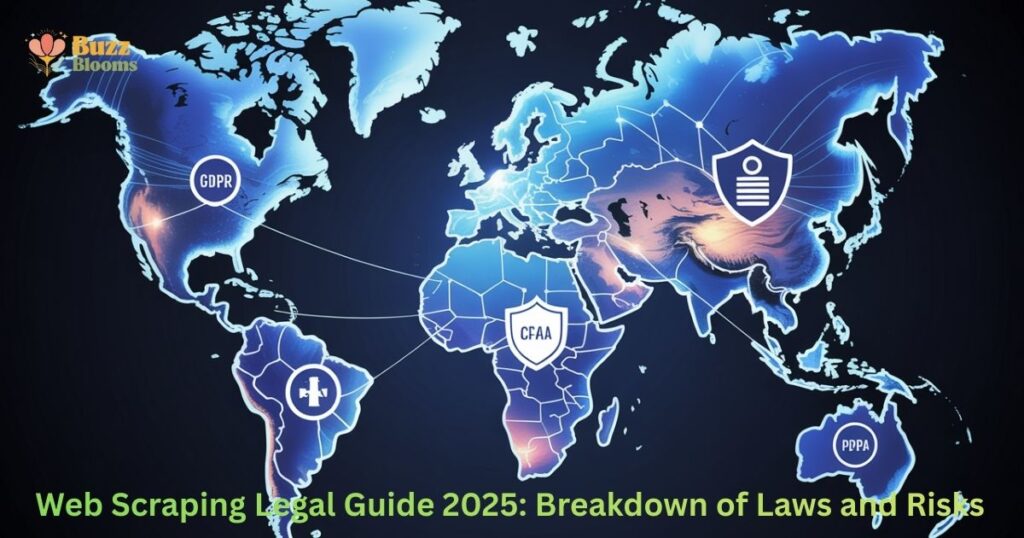
A Polish company scraped public business records and got fined millions by European courts last year. American judges said scraping LinkedIn profiles was totally fine in that same timeframe. Different judges reach opposite conclusions on identical web scraping legal cases, leaving companies guessing which rules actually apply to publicly available data collection. Geographic location dramatically changes outcomes even when identical methods are used.
Why “Is Web Scraping Legal” Depends on Data Type & Website Policies
Your scraping project might be perfectly legal today and illegal tomorrow if you change one variable. Grabbing product prices from Amazon rarely causes problems because prices are facts, not copyrighted material. But copying entire product descriptions could land you in court for stealing intellectual property. Terms of service restrictions matter too—scraping behind login walls after clicking “I agree” gives website owners ammunition for lawsuits. Understanding web scraping legal nuances requires careful analysis before launching operations.
Legal Issues in Web Scraping You Must Understand Before Scraping
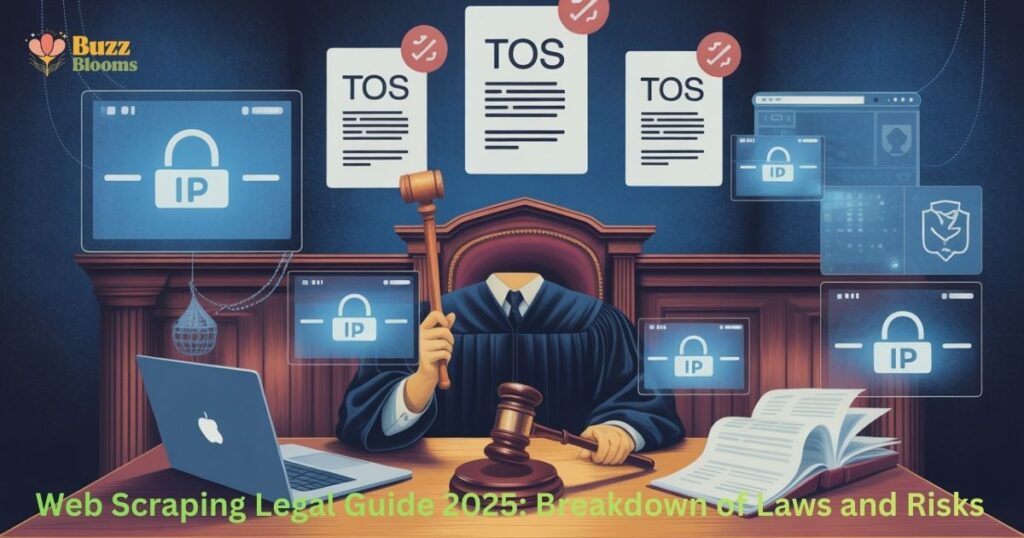
Most scrapers get sued because they ignored three basic legal warnings everyone should know. Learn these legal issues in web scraping now, or learn them later when your lawyer bills start arriving. Thousands of companies launch projects annually without understanding fundamental web scraping legal boundaries.
Unauthorised Access & CFAA Risks
Hackers broke into Pentagon computers in the early 1980s, so Reagan’s team wrote the Computer Fraud and Abuse Act to stop them. LinkedIn and Facebook now twist that law against scrapers, claiming anyone collecting public profiles commits federal hacking crimes. Supreme Court judges finally stepped in recently—they ruled that visiting public websites can’t be considered unauthorised access because nobody needed permission beforehand.
Watch out, though, because bypassing CAPTCHA or automated access restrictions might still land you in legal trouble. Understanding web scraping’s legal status under CFAA requires analysing whether you’re accessing truly public information.
The Impact of Terms of Service Violations
Clicking “I agree” before scraping transforms a legal activity into a Terms of Use enforcement nightmare instantly. Clickwrap agreements hold up in court because you actively consented to the rules by checking that box. Browsewrap agreements buried in website footers rarely get enforced since most judges don’t believe anyone actually reads them.
The difference matters hugely—scraping after agreeing to ban automation gives website owners solid breach of contract claims against you. Contract law creates separate liability pathways for web scraping legal violations beyond criminal statutes.
Login-Protected vs Public Data Legal Differences
Scraping public website pages and scraping login-protected content are completely different beasts, legally speaking. Courts consistently rule that grabbing publicly visible information stays legal since websites voluntarily publish that data for everyone. But logging into accounts—even free ones—then scraping creates contractual obligations through those terms of service restrictions.
Meta won several cases by proving scrapers used fake accounts to bypass login walls and grab protected content that regular visitors couldn’t access. The authentication barrier creates explicit web scraping legal dividing lines between permissible and forbidden activities.
Data Privacy and Web Scraping: What You Can and Cannot Collect
Scraping someone’s name and email might seem harmless until privacy regulators knock on your door. European companies face bankruptcy-level fines for mishandling personal data, while American businesses get slightly more breathing room under state laws. Privacy violations represent the fastest-growing category of web scraping legal enforcement actions worldwide.
Rules for Personal Data Under Global Privacy Laws
The GDPR treats any information about real people as sacred—names, emails, IP addresses, even website cookies count as personal data needing protection. European regulators don’t care if that data sat publicly on LinkedIn or Twitter before you scraped it.
You still need legal justification for collecting it, like explicit user consent or “legitimate interest” that survives their three-part balancing test. CCPA gives California residents similar protections, though it carves out exceptions for truly public information from government databases. Different countries define personal data through varying specifications, affecting web scraping legal compliance.
Sensitive Personal Information & Compliance Risks
Regular personal data gets you fined, but sensitive personal information gets you destroyed legally and financially. Health records, racial background, political beliefs, sexual orientation—GDPR bans scraping these categories unless you have rock-solid legal grounds and explicit consent. American privacy legislation splits hairs differently across thirteen states, creating compliance nightmares for national businesses.
CPRA expanded California’s definition recently, making even IP addresses and browsing history trigger consent requirements before collection. The distinction between regular and sensitive categories dramatically impacts web scraping legal risk calculations.
Publicly Available vs Protected User Data
Finding someone’s phone number on Google doesn’t permit you to add it to your sales lists. GDPR requirements treat public LinkedIn emails the same as private Facebook messages—both need legal justification before scraping. American courts draw sharper lines—the HiQ case said scraping public LinkedIn profiles was fine, while Meta successfully sued companies that grabbed data behind login screens.
Data protection acts worldwide agree on one thing, though: stealing password-protected information always crosses legal boundaries. The “publicly available” designation creates massive confusion in web scraping legal analysis since different jurisdictions interpret accessibility differently.
See More: Trucofax Review: Fast, Secure & Online Fax Solution 2025
GDPR and Web Scraping: Full Compliance Breakdown
Europe’s privacy law turned data scraping into a legal minefield overnight for businesses worldwide. GDPR and web scraping rules apply even to American companies if they touch any European resident’s data, making compliance unavoidable for international operations. Many American businesses wrongly assume GDPR only applies to companies physically located in European Union member states.
Consent Requirements Under GDPR
Europeans must explicitly agree before you scrape their personal information—no tricks allowed here. Pre-ticked boxes get rejected immediately, fuzzy privacy statements don’t pass muster, and staying quiet never equals permission under Brussels’ rules.
Your opt-in checkboxes need crystal-clear language explaining which data you’re taking and your reasons for grabbing it. Health records, political views, and other sensitive personal information require even tougher user consent and data access standards before collection.
GDPR Penalties That Apply to Scraping
European regulators slap companies with fines reaching 4% of global annual revenue for serious GDPR violations during scraping operations. That Polish business registry scraper we mentioned earlier? They got hit with €220,000 for collecting public data without a proper legal basis.
Meta faced €1.2 billion in penalties, partly for how they handled scraped user information. A tiny startup scraping carelessly faces the same 4% revenue hit as Fortune 500 giants do.
How to Avoid GDPR Violations When Scraping Data
Here’s your survival guide for compliance that won’t drain your budget on lawyers:
- Only scrape data you absolutely need for your specific business purpose—no hoarding extra information
- Delete scraped personal data within 90 days unless you have documented reasons to keep it longer
- Implement machine-readable opt-out signals so users can block your scrapers from their profiles
- Never scrape sensitive personal information without explicit written consent from each person
- Keep detailed records proving your legal basis for every piece of personal data you collect
Web Scraping Laws 2025: Updated International Overview
Your perfectly legal scraping bot in California could land you in prison if you run it from Germany next week. Understanding international web scraping laws 2025 requires examining how different legal systems approach data collection and privacy protection.
Is Web Scraping Legal in the US
American courts generally allow scraping publicly available information from websites without requiring permission from site owners. The Computer Fraud and Abuse Act initially threatened scrapers with hacking charges, but recent Supreme Court rulings limited CFAA’s reach significantly. CCPA regulations protect California residents’ personal data, while twelve other states have passed their own privacy rights and scraping laws recently.
Is Web Scraping Legal in the UK
Britain’s Data Protection Act governs web scraping legal activities across England, Scotland, Wales, and Northern Ireland after Brexit. UK courts treat publicly accessible information similarly to how American judges do—scraping stays legal unless you breach contracts or grab protected user accounts. Britain’s Copyright, Designs and Patents Act bans copying creative works without permission, and its Computer Misuse Act sends scrapers to jail for cracking passwords or breaking through security walls.
Is Web Scraping Legal in Europe
The DSM Directive revolutionised European web scraping legal frameworks by creating explicit text and data mining exceptions for researchers and businesses. Companies can scrape copyrighted content for analysis unless website owners display machine-readable opt-out signals in robots.txt files. GDPR still applies, though—scraping any European resident’s personal data requires solid legal justification regardless of where that information appears online.
Is Web Scraping Legal in India & Asia
International scraping laws across Asia vary wildly from country to country, creating compliance nightmares for regional operations. India’s proposed data protection acts mirror GDPR’s strict consent requirements, but haven’t fully taken effect yet. China bans scraping personal information without explicit permission, Japan requires transparency about automated data collection, and Singapore protects personal data regulations through its PDPA law.
Is Web Scraping Legal in Canada & Australia
Canada’s PIPEDA legislation treats web scraping legal questions through consent and transparency lenses similar to European approaches. Australian privacy legislation under their Privacy Act 1988 protects personal information but carves exceptions for publicly available data from phone books and business directories. Both countries let you scrape facts and prices freely while requiring permission for scraping publicly accessible information containing someone’s personal details.
Copyright Rules for Web Scraping: What Is Allowed and What Is Not
Copying a blog post and using the same word-for-word will lead you to receiving a large number of cease-and-desist letters over the next 48 hours. A constant battle continues in the courts regarding the line between copyright and scraping as judges decide where the limit of fair use lies between the limit of theft.
Copyrighted Content vs Uncopyrighted Facts
Facts can’t be owned by anyone—product prices, business addresses, weather data, and sports scores all qualify as uncopyrightable information you can freely scrape. Creative expressions like blog posts, product descriptions, photos, and video reviews belong to their creators under copyright rules for web scraping.
Copying Amazon’s product price stays legal, but stealing their carefully written descriptions violates intellectual property rules. Courts consistently protect original creative works while letting anyone collect raw facts regardless of where those facts appear online.
| Content Type | Copyright Status | Legal to Scrape? |
| Product prices | Not copyrighted (facts) | Yes – freely scrapable |
| Stock market data | Not copyrighted (facts) | Yes – freely scrapable |
| Weather information | Not copyrighted (facts) | Yes – freely scrapable |
| Business addresses | Not copyrighted (facts) | Yes – freely scrapable |
| Restaurant menus (text only) | Not copyrighted (facts) | Yes – freely scrapable |
| Blog articles | Copyrighted (creative) | No – requires permission |
| Product descriptions | Copyrighted (creative) | No – requires permission |
| Photos and images | Copyrighted (creative) | No – requires permission |
| Video content | Copyrighted (creative) | No – requires permission |
| User reviews | Copyrighted (creative) | No – requires permission |
Fair Use & Text-and-Data Mining Exceptions
America’s fair use doctrine protects you when transforming scraped content into new creations rather than simply copying and pasting someone else’s work. Google beat a landmark lawsuit after scanning entire libraries of books—judges ruled their searchable database added value instead of just redistributing copyrighted text.
Europe’s DSM Directive gives businesses and researchers explicit permission for text and data mining, though owners can still block your bots through robots.txt restrictions. Analysing price trends across 10,000 products stays legal, but republishing those exact product listings on your own site definitely crosses into theft.
AI Training & Copyright Liability
AI model training data disputes exploded in 2024 when authors sued OpenAI and other companies for scraping books without permission. Courts haven’t decided yet whether feeding copyrighted content into AI systems counts as transformative use in scraping or plain copyright theft.
The New York Times won initial rulings against AI companies scraping their articles, while other judges dismissed similar lawsuits for lack of specific harm evidence. The Database Directive protects collections requiring substantial investment, meaning you can’t scrape entire databases even when individual facts inside aren’t copyrighted themselves.
Ethical Web Scraping: How to Scrape Without Breaking the Law
Legal scraping doesn’t automatically mean ethical scraping—you can follow every law and still wreck someone’s website. Ethical scraping practices separate responsible businesses from digital parasites destroying servers and stealing bandwidth.
Respecting Robots.txt & Crawl Rate Limits
Website owners publish robots.txt files showing exactly which pages they want scrapers to avoid touching completely. Ignoring those boundaries paints a target on your back even in countries where robots.txt carries zero legal weight. Robots.txt restrictions won’t land you in court everywhere, but following them keeps website owners friendly and your IP addresses unblocked.
Sending 1,000 requests per second crashes servers and costs website owners real money—web crawler limitations mean spacing requests at least 2-3 seconds apart keeps everyone happy and your scraper running smoothly.
Ethical Data Collection for Business Use
Ethical data scraping means collecting only what you genuinely need and deleting everything else within reasonable timeframes. Hoarding personal information “just in case” violates both ethics and most data privacy and web scraping regulations worldwide.
Transform scraped data into insights rather than republishing raw content that steals traffic from original creators. Your business benefits more from analysing patterns across thousands of sources than copying and pasting someone else’s hard work anyway.
Avoiding Harmful or Malicious Scraping Practices
Scraping behind password walls using stolen credentials crosses from data collection into outright theft and computer crimes. Creating fake accounts to bypass login requirements violates every website’s trust and gives ammunition for lawsuits like Meta won against several scraping companies.
Never scrape confidential information, trade secrets, or non-public financial data, even when technical exploits make access possible. Digital privacy laws worldwide prosecute scrapers who intentionally target protected systems regardless of how easily those systems can be compromised.
Web Scraping Compliance Checklist for 2025
Your scraping bot goes live Tuesday morning, gets blocked by Wednesday afternoon, and lawsuits land Friday if you skip these compliance steps. This web scraping compliance checklist stops expensive legal disasters before your first line of code runs.
Technical Steps for Web Scraping Compliance
Start by checking robots.txt files on every target website—blocking rules there legally bind you in Europe under the DSM Directive. Set crawl delays between 2-5 seconds minimum to avoid overwhelming servers with your automated data collection requests.
Rotate IP addresses using legitimate proxy services rather than residential proxies obtained without proper user consent and data access permissions. Include accurate User-Agent headers identifying your scraper instead of pretending to be regular browsers, and always respect rate limits set by website owners.
Legal Documentation You Must Review Before Scraping
Pull up the full Terms of Service before your scraper touches any website, hunting specifically for clauses banning bots or automated access restrictions. Take screenshots of ToS pages, privacy policies, and robots.txt files—you’ll need proof later showing exactly what rules existed on your scraping date.
Document your legal basis for processing personal data under GDPR requirements or CCPA, depending on user locations. Check copyright notices and licensing terms for any creative content you plan to scrape—fair use doctrine won’t save you from stealing obviously protected works.
Compliance for Commercial Scraping & Data Reselling
Selling scraped data multiplies your legal exposure exponentially compared to internal business use for analysis. GDPR and CCPA both restrict selling personal information without explicit consent, making lead generation databases extremely risky legally.
Verify that every piece of data you plan to resell qualifies as publicly available information rather than protected content obtained through questionable means. Buyers of scraped data inherit your legal problems—major companies won’t touch datasets lacking proper data provenance documentation proving lawful collection methods.
Web Scraping Best Practices for Safe, Legal Data Extraction
Following web scraping best practices separates professional operations from amateur hour disasters waiting to happen. Smart scrapers build sustainable systems instead of burning through IP addresses and court summons.
How to Identify Scrape-Safe Websites
Websites offering APIs for data access explicitly welcome automated data collection and eliminate most legal headaches entirely. Check robots.txt thoroughly—sites with detailed crawl-delay instructions and specific Disallow rules take scraping seriously and enforce boundaries aggressively.
Footer links to Terms of Service create weaker browsewrap agreements than pop-ups, forcing you to click “I accept” through clickwrap agreements, giving you slightly safer legal ground. Federal agency databases, college research libraries, and Creative Commons-licensed pages rarely block scrapers collecting data for academic or educational work.
Avoiding Copyright, Privacy, & TOS Violations
Product prices and business hours count as pure facts anyone can scrape legally since copyright laws never protect raw information. Product descriptions written by marketing teams and customer review text both qualify as creative works you can’t legally copy wholesale. Strip personal data from scraped content immediately unless you have rock-solid legal justification under GDPR requirements or CCPA regulations.
Read Terms of Service before creating accounts—logging in, then scraping automatically binds you to the terms of service restrictions regardless of browsewrap versus clickwrap debates. Never scrape login-protected content accessible only after authentication, since courts consistently rule this violates both contracts and digital privacy laws.
Using Proxies, Headers & AI Scrapers Legally
Residential proxies must come from providers who obtained explicit user consent and data access permissions—many proxy networks violate privacy laws themselves. Datacenter proxies from legitimate providers like AWS or Google Cloud stay legal while avoiding residential IP complications entirely.
Your User-Agent string should accurately identify your scraper by name instead of pretending to be Chrome or Firefox—judges hate deception tactics. Whether your scraper runs on traditional code or cutting-edge AI algorithms, you still need identical ethical scraping practices since fancy technology doesn’t exempt you from following laws.
Major Web Scraping Court Cases Impacting Legal Boundaries
LinkedIn wins one scraping lawsuit while Meta loses the next identical case, making predicting legal outcomes nearly impossible today. Understanding these web scraping legal battles shows exactly where judges currently draw boundaries.
HiQ Labs vs LinkedIn
HiQ scraped public LinkedIn profiles for workforce analytics until LinkedIn sent cease-and-desist letters threatening legal action. Courts initially sided with HiQ, ruling that scraping publicly available information doesn’t violate the Computer Fraud and Abuse Act since no authorisation was needed initially. LinkedIn appealed multiple times through 2022 when judges discovered HiQ created fake accounts to bypass blocks—this contract violation forced a settlement where HiQ agreed to stop all LinkedIn scraping permanently.
Ryanair’s Web Scraping Rulings
Ryanair sued multiple flight comparison websites for scraping their prices and displaying them on competitor platforms across Europe. Dutch courts rejected Ryanair’s claims in 2018, ruling their browsewrap agreements buried in footers didn’t create binding contracts with casual visitors. American courts later ruled differently when Ryanair sued Expedia under the CFAA—judges said U.S. laws could apply to international scraping disputes, though parties settled confidentially before final verdicts emerged.
Meta vs Data Scraping Companies
Meta launched lawsuits against Bright Data and multiple smaller scrapers throughout 2023-2024 for collecting Facebook and Instagram data. Federal courts dismissed Meta’s claims after finding zero evidence that scrapers accessed login-protected content or breached security measures—scraping public profiles stayed legal. Meta’s €1.2 billion GDPR fine partly stemmed from their own data handling practices rather than scraper activities, showing even platforms opposing scraping face identical privacy law scrutiny.
FAQs About Web Scraping Legal Guidelines in 2025
Is web scraping legal in the US?
American courts ruled scraping public data legal after the Supreme Court limited CFAA’s reach in 2021. State privacy laws like CCPA still protect personal data, and breaking terms of service restrictions you agreed to gets you sued.
Can I scrape publicly available data?
Public data scraping stays legal in most countries, though Europe’s GDPR protects personal names and emails wherever they appear online. Raw facts get scraped freely, while blog posts and creative writing need permission from copyright owners.
Do I need permission to scrape a website?
Public pages need no permission unless you clicked “I agree” on the terms of service restrictions banning bots during account creation. Scraping login-protected content always requires authorisation since accessing it creates binding contracts with website owners.
Is web scraping GDPR compliant?
The legality under GDPR depends entirely on whether you are collecting personal data belonging to persons in Europe. Before you collect anyone’s name, email address, or any other identifiable information, you will need to demonstrate a legitimate interest to collect it or receive their consent.
Can I sell data collected through scraping?
European GDPR and California’s CCPA ban selling personal data scraped without explicit consent for commercial resale purposes. Product prices and business facts can be sold legally, while email lists and phone numbers create catastrophic legal liability.
Can websites detect scraping?
When websites identify scrapers, they do so through repetitive patterns of requests, datacenter IP addresses being used, and not being able to detect the JavaScript execution fingerprint. CAPTCHA and rate-limiting systems can automatically prevent automated traffic from reaching their sites before anyone sees it.
Conclusion
Web scraping legal questions never get simple yes-or-no answers, but following basic rules keeps you safe from lawsuits. American and European courts now protect scraping publicly available information while hammering violations involving personal data, login-protected content, and copyrighted material.
Respect requirements, follow robots.txt restrictions, and never breach the terms of service restrictions you clicked “agree” on. Winners transform scraped data into genuine insights instead of copy-pasting content that belonged to someone else originally. The web scraping legal environment continues evolving rapidly as courts issue new rulings annually.
